
Wrestler Support
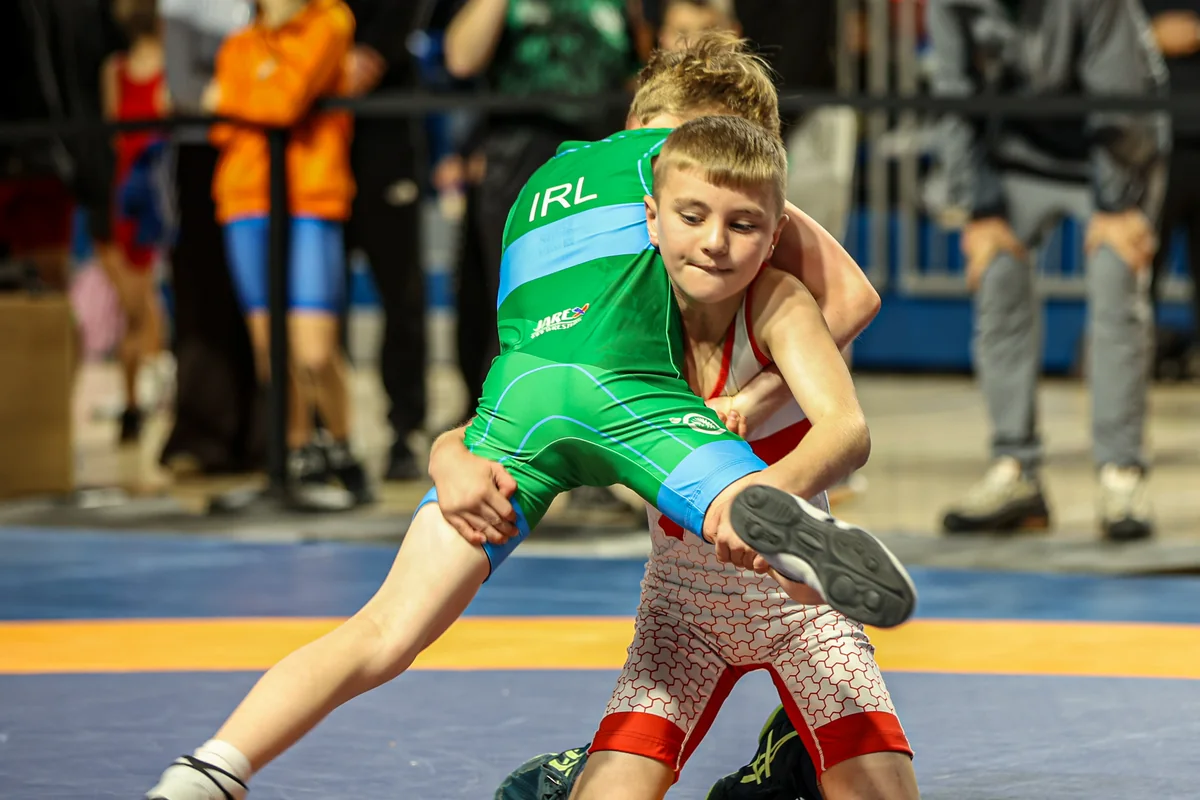
Supporting Every Wrestler, From Grassroots to International Competition
Wrestling Is for Everyone
Wrestling is a sport for people of all ages, abilities and backgrounds. Whether you want to improve your fitness, learn new skills, build confidence, make friends or compete at the highest level, wrestling offers something for everyone.
The Irish Amateur Wrestling Association (I.A.W.A.) is committed to supporting wrestlers throughout their sporting journey, from their first training session at a local club to representing Ireland at international competitions, European and World Championships, and potentially the Olympic Games.
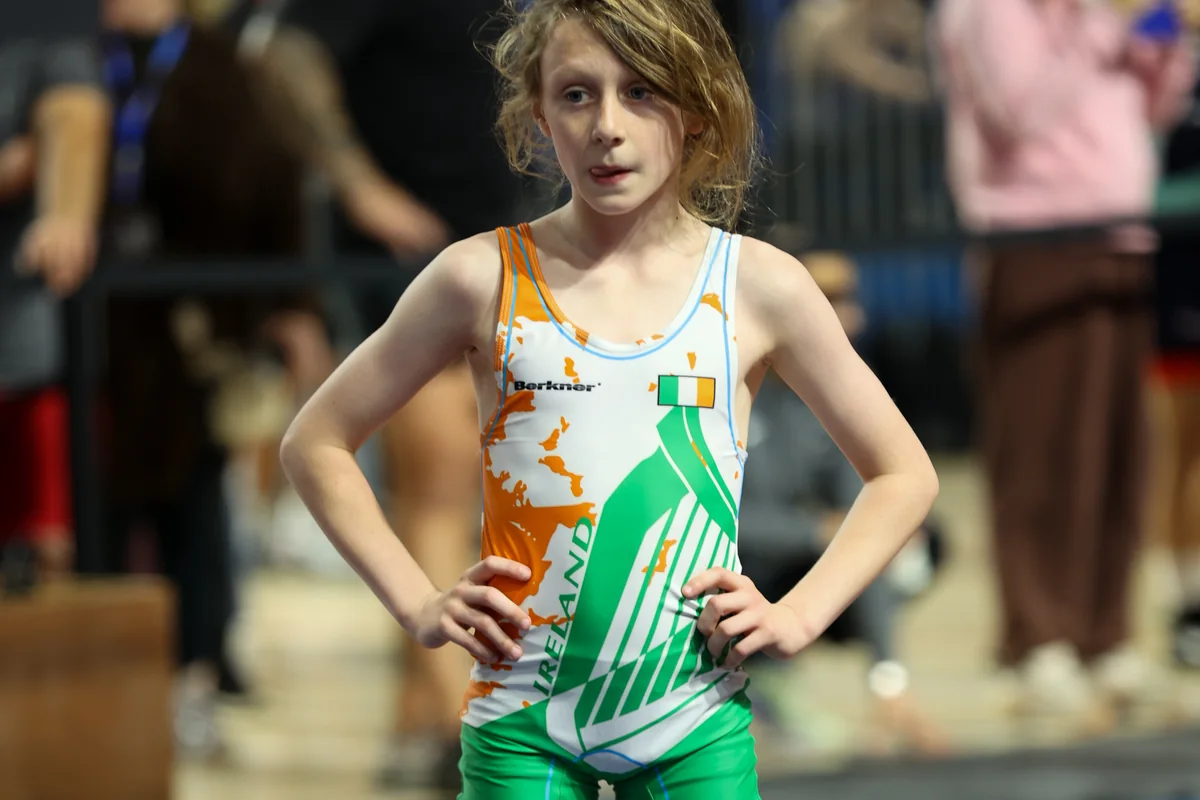
Wrestling develops much more than physical strength. It teaches discipline, determination, resilience, respect, confidence and the ability to overcome challenges.
Every wrestler begins with different strengths. Some may have natural speed, flexibility, balance or strength, while others develop these qualities gradually through training and experience.
Natural ability can provide an advantage, but long-term improvement comes from dedication, good coaching, consistent practice and a willingness to learn.
Success in wrestling is not simply about winning medals. It is about becoming better, building confidence and achieving your own potential.
10 Steps Towards Wrestling Success
Every wrestler develops at their own pace. There is no single route to success, but the following principles can help athletes enjoy wrestling and make steady progress.
Step 1 – Discover Wrestling
Every wrestling journey begins with an interest in the sport.
Some people are attracted by the physical challenge, others by the opportunity to improve fitness, learn self-defence-related movement skills, develop confidence or experience competition.
Whatever your reason for starting, the most important thing is to enjoy the experience and remain open to learning.
Step 2 – Learn the Fundamentals
A strong foundation is essential for long-term development.
Basic wrestling skills such as stance, movement, balance, positioning, control and technique form the foundation of more advanced wrestling.
Take time to practise these skills correctly. Even the most experienced international wrestlers continually work on their fundamentals.
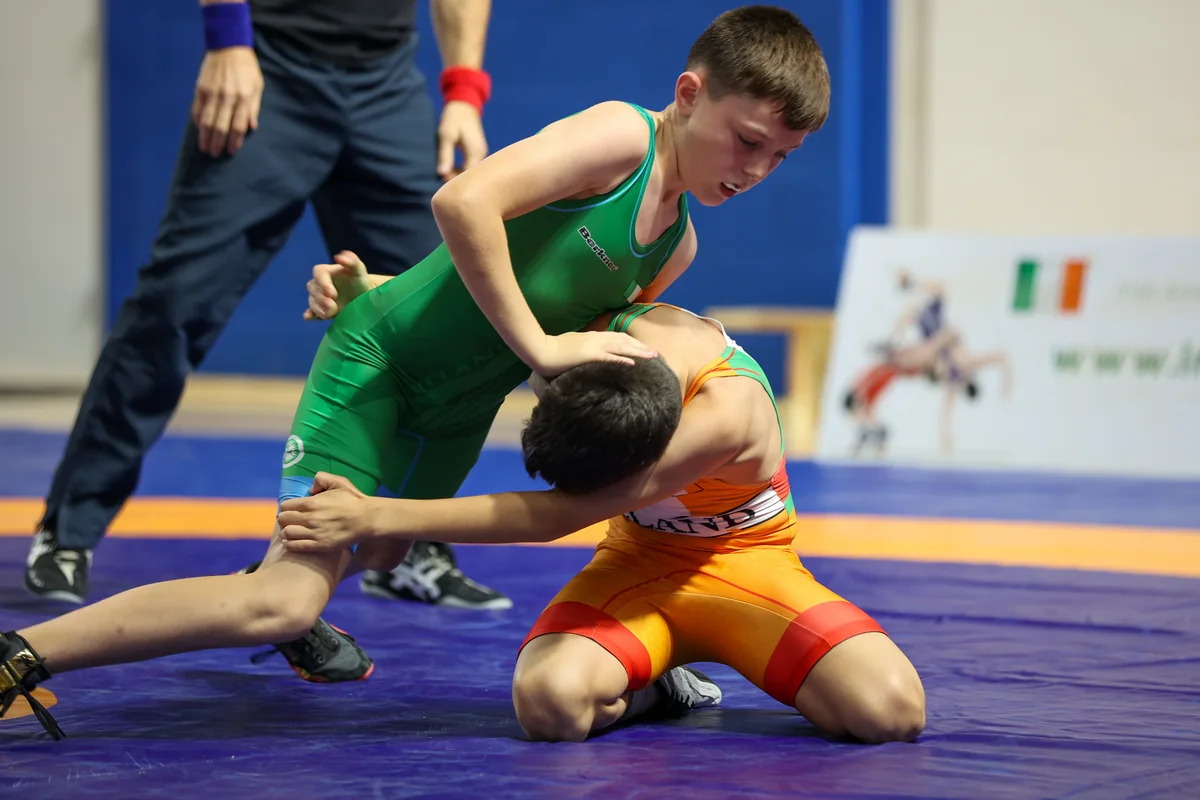
Step 3 – Understand That Losing Is Part of Learning
Every competitive wrestler experiences defeat.
Losing a match does not mean you have failed. It provides an opportunity to identify areas for improvement and develop greater resilience.
New wrestlers should be encouraged to participate in appropriate beginner-level competitions where they can gain experience in a positive environment.
Learn from each match, recognise what you did well and identify what you can improve.
Step 4 – Build Confidence Through Experience
Confidence develops through regular training, practice and competition.
As you become more familiar with wrestling techniques and match situations, you will begin to feel more comfortable on the mat.
Progress may be gradual, and setbacks are normal.
Remember that improvement is not always measured by results. Successfully applying a new technique or demonstrating better control can be an important achievement.
Step 5 – Set Personal Goals
Setting realistic goals can help you remain motivated.
Your goals might include:
- Improving your fitness and flexibility.
- Learning a new wrestling technique.
- Attending training consistently.
- Competing in your first tournament.
- Improving your performance against experienced opponents.
- Winning a club, regional or national championship.
- Representing Ireland internationally.
Work with your coach to establish goals that are appropriate for your age, experience and ambitions.
Step 6 – Train with Purpose
Regular training is essential for developing wrestling skills.
However, improvement comes from the quality of your training as well as the amount of time spent on the mat.
Listen to your coaches, ask questions, practise techniques carefully and approach every session with a positive attitude.
Good nutrition, adequate sleep, recovery and a balanced lifestyle are also important for long-term sporting development.
Training should be challenging but appropriate for your age, ability and stage of development.
Step 7 – Gain Mat Experience
Practical wrestling experience is one of the most effective ways to improve.
Training with different partners helps you develop timing, awareness, adaptability and confidence.
When you are ready, participating in suitable competitions provides opportunities to apply your skills in a competitive environment.
Your coach can help identify appropriate events and ensure that you progress at a suitable pace.
Step 8 – Recognise Your Progress
At different stages of your wrestling journey, you may experience moments when a technique or skill suddenly becomes easier.
You may successfully complete a movement you previously struggled with, improve your defensive wrestling or become more confident in competition.
Recognise these achievements and use them as motivation to continue developing.
Small improvements contribute to long-term success.
Step 9 – Challenge Yourself
As your skills develop, you may wish to experience more challenging training and competition.
This could involve training with more experienced wrestlers, attending development camps or entering higher-level tournaments.
Progressing to stronger competition should be planned with your coach, taking account of your experience, readiness and wellbeing.
Challenging yourself appropriately can help you identify new goals and continue improving.
Step 10 – Keep Learning and Enjoy the Journey
Wrestling is a sport in which learning never stops.
Even experienced national and international athletes continue to develop their technique, fitness, tactics and mental preparation.
Remain patient, listen to feedback and take pride in your progress.
Most importantly, remember why you started wrestling and continue to enjoy the sport.
The Wrestling Development Pathway
The I.A.W.A. encourages wrestlers to progress through a structured pathway suited to their interests, abilities and ambitions.
Not every wrestler will follow the same route, and international competition is not the only measure of success.
Stage 1 – Introduction to Wrestling
Discover the sport through enjoyable, age-appropriate training at an affiliated wrestling club.
The focus is on fundamental movement skills, confidence, coordination, safety and enjoyment.
Stage 2 – Skills Development
Build a strong foundation in wrestling techniques, movement, balance and control.
Develop confidence through regular training and appropriate practice with other wrestlers.
Stage 3 – Club Participation
Become an active member of your wrestling club, develop friendships and continue improving your skills.
Some wrestlers may choose to participate recreationally, while others may begin preparing for competition.
Stage 4 – First Competition Experience
Participate in suitable beginner or development tournaments.
Learn about competition procedures, sportsmanship, match preparation and managing the emotions associated with competing.
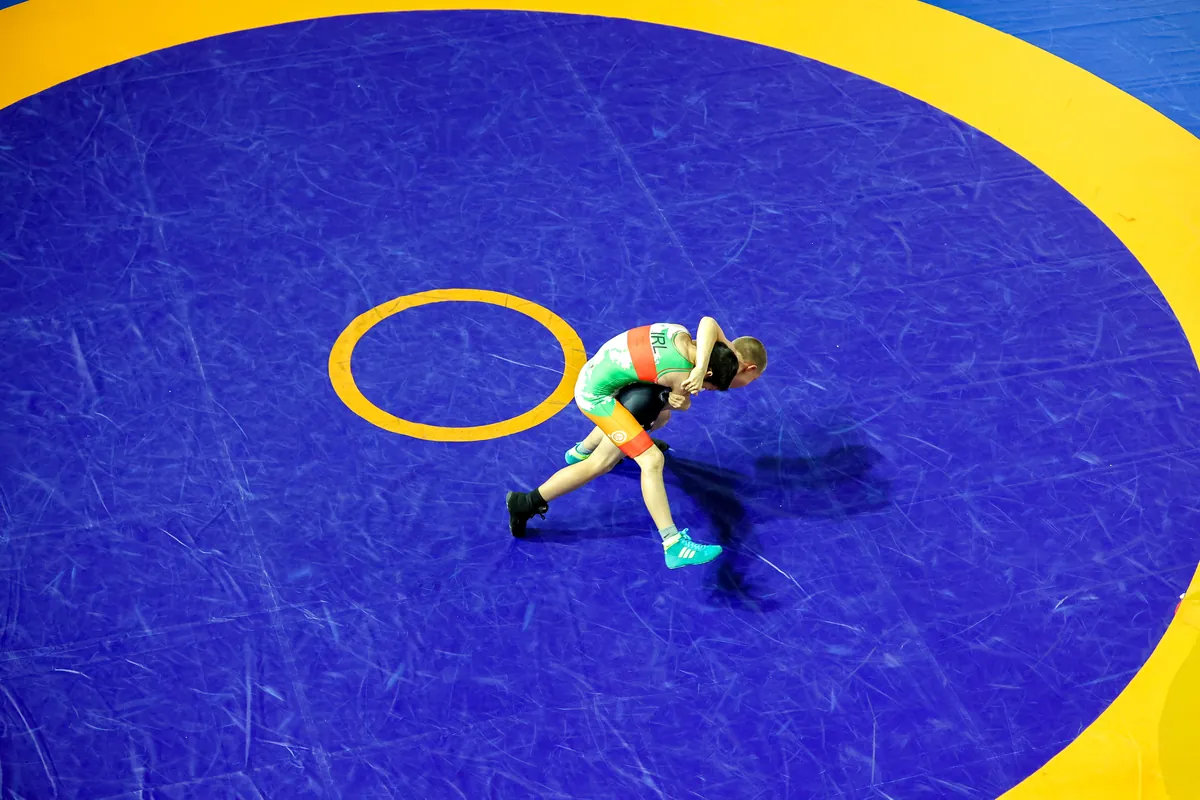
Stage 5 – Regional and National Competition
Progress to more competitive events, including regional tournaments, national competitions and I.A.W.A. championships.
Continue developing technical ability, physical preparation and tactical awareness.
Stage 6 – Advanced Athlete Development
Athletes demonstrating appropriate ability, commitment and readiness may pursue more advanced training and competition opportunities.
These may include development camps, open mat sessions, specialised coaching and selected international tournaments.
Stage 7 – International Representation
Eligible athletes may be considered for selection to represent Ireland at international wrestling competitions.
International representation requires commitment, preparation and compliance with the applicable selection, membership, licensing and anti-doping requirements.
Stage 8 – High Performance and Elite Competition
Athletes progressing to higher levels may compete at major international events, including European and World Championships.
The Olympic Games represent the highest level of achievement in Olympic wrestling.
The I.A.W.A. aims to support athletes pursuing these ambitions, subject to available resources, eligibility and selection criteria.
Supporting Your Development
Your Club and Coaches
Your wrestling club is the foundation of your development.
Qualified coaches can help you improve your technique, develop confidence, set realistic goals and prepare for competition.
Communicate openly with your coach about your ambitions, progress and any difficulties you experience.
Physical and Mental Wellbeing
Wrestling is physically demanding, and maintaining good health is essential.
Athletes should prioritise appropriate training, rest, recovery, hydration and nutrition.
Young wrestlers should be supported in developing healthy attitudes towards body image, weight management and competition.
Unsafe weight-cutting practices, dehydration and extreme dieting should never be encouraged.
Safe Sport and Respect
Every wrestler has the right to train and compete in a safe, respectful and inclusive environment.
The I.A.W.A. promotes positive behaviour, safeguarding, fair play and respect for fellow athletes, coaches and officials.
Bullying, harassment, discrimination and abusive behaviour have no place in wrestling.
Clean Sport
All competitive wrestlers should understand their responsibilities under the applicable anti-doping rules.
Athletes progressing towards international competition must complete the required anti-doping education and comply with the relevant Sport Ireland and United World Wrestling requirements.
Balancing Wrestling with Everyday Life
Wrestling should contribute positively to your overall wellbeing.
Athletes are encouraged to maintain a healthy balance between training, education, employment, family life and other interests.
Long-term sporting development is best supported by a positive, sustainable approach.
Opportunities in Irish Wrestling
Through the I.A.W.A. and its affiliated clubs, wrestlers can access a range of opportunities, including:
- Recreational and competitive wrestling.
- Club-based coaching and training.
- Youth and adult development programmes.
- Regional and national competitions.
- Irish Open and other national championships.
- Open mat sessions and training camps.
- International competition opportunities.
- National team selection pathways.
- Coaching and officiating education.
Whether your goal is to enjoy wrestling as a lifelong activity or pursue international competition, the I.A.W.A. encourages you to remain involved and continue developing.
Useful Links and Resources
- I.A.W.A. Membership: Join or renew
- Benefits of I.A.W.A. Membership: Benefits of joining
- Wrestling Insurance Information: Insurance
- Anti-Doping and Clean Sport: Anti-doping
- I.A.W.A. Events Calendar: Events
- United World Wrestling Academy: academy.unitedworldwrestling.org
Contact the I.A.W.A.
For information about wrestling clubs, competitions, athlete development or international opportunities, contact:
Irish Amateur Wrestling Association
- Email: irishwrestlingsecretary@gmail.com
- Website: www.irishwrestling.ie
Your Wrestling Journey Starts Here
Every successful wrestler started as a beginner.
Progress requires patience, dedication, good coaching and a willingness to learn. Some athletes may pursue national titles and international competition, while others will find lifelong enjoyment, fitness and friendship through the sport.
Whatever your ambitions, the Irish Amateur Wrestling Association is committed to helping you enjoy wrestling, develop your abilities and achieve your personal goals.
Train. Learn. Improve. Achieve.