
Anti-Doping and Clean Sport
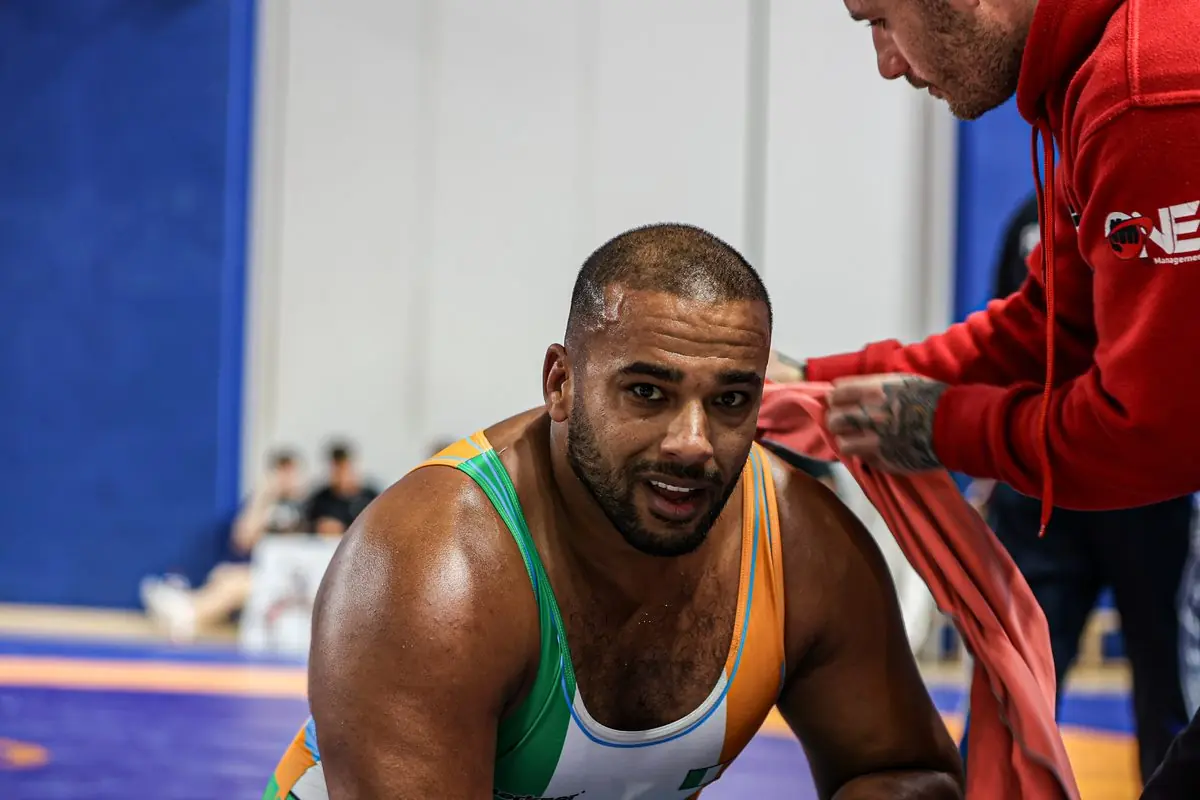
The Irish Amateur Wrestling Association (I.A.W.A.) is fully committed to protecting the integrity of wrestling and promoting a sporting environment free from doping.
Clean Sport is everyone’s responsibility.
Introduction
The I.A.W.A. believes that doping is fundamentally contrary to the spirit of sport and undermines the values of fairness, honesty, respect, health and sporting excellence.
As the National Governing Body for wrestling in Ireland, the I.A.W.A. supports the anti-doping policies and regulations established by Sport Ireland, the World Anti-Doping Agency (WADA) and United World Wrestling (UWW).
All athletes, coaches, officials, club personnel and athlete support personnel have a responsibility to understand and comply with the anti-doping rules applicable to their roles.
The I.A.W.A. is committed to promoting anti-doping education, raising awareness and supporting athletes and affiliated clubs in meeting their responsibilities.
1. The I.A.W.A. Clean Sport Commitment
The I.A.W.A. has adopted the Irish Anti-Doping Rules as provided for under Rule 21 of the Association’s Constitution.
These rules apply to members and other persons falling within their scope, including athletes and athlete support personnel.
The I.A.W.A. is committed to:
- Promoting a culture of clean and fair competition.
- Educating athletes, coaches and club officials about anti-doping responsibilities.
- Supporting Sport Ireland’s anti-doping education and testing programmes.
- Encouraging responsible medication and supplement use.
- Ensuring athletes understand their rights and responsibilities during doping control.
- Supporting compliance with applicable national and international anti-doping regulations.
- Protecting athletes who choose to compete without prohibited substances or methods.
Athletes participating in I.A.W.A. activities and competitions may be subject to anti-doping testing in accordance with the applicable rules.
Membership of the I.A.W.A. and participation in sanctioned competitions carry responsibilities under these rules, including cooperation with authorised anti-doping procedures.
2. What Is Doping?
Doping is defined under the World Anti-Doping Code as the occurrence of one or more anti-doping rule violations.
Doping is not limited to deliberately taking performance-enhancing substances.
Violations can also arise through the presence of prohibited substances in an athlete’s sample, refusing testing, tampering with doping control, prohibited possession, trafficking or other conduct specified in the rules.
An athlete may commit an anti-doping rule violation even where the prohibited substance was taken unintentionally.
Doping can result in serious consequences, including disqualification, suspension from sport, damage to an athlete’s reputation and potential health risks.
3. Understanding Strict Liability
One of the most important principles of anti-doping is Strict Liability.
Under this principle, athletes are responsible for prohibited substances, metabolites or markers found in their samples.
An anti-doping rule violation for the presence of a prohibited substance may occur regardless of whether the athlete intended to cheat or knowingly consumed the substance.
This means that athletes must take responsibility for everything they put into their bodies.
Athletes should:
- Check all medications before use.
- Be cautious about nutritional supplements.
- Inform doctors and healthcare professionals that they are subject to anti-doping rules.
- Understand the current WADA Prohibited List.
- Seek appropriate advice before using any medication that may contain a prohibited substance.
- Maintain accurate records of medications and supplements.
Remember: Not knowing that a substance is prohibited does not automatically protect an athlete from an anti-doping rule violation.
4. The WADA Prohibited List
The World Anti-Doping Agency publishes an updated Prohibited List each year, normally taking effect on 1 January.
The list identifies substances and methods prohibited in sport, including those prohibited at all times and those prohibited during competition.
Athletes and support personnel must consult the current list rather than relying on information from previous years.
Current list: The 2026 WADA Prohibited List took effect on 1 January 2026. Official WADA information is at wada-ama.org/en/prohibited-list.
Athletes should check the list regularly, particularly before taking prescribed medications, over-the-counter treatments or supplements.
5. Mandatory Anti-Doping Education
Education is central to preventing both deliberate and unintentional doping violations.
The I.A.W.A. requires wrestlers and coaches representing Ireland at international competitions to complete the applicable WADA Anti-Doping Education and Learning (ADEL) programme.
For athletes, the required course is:
ADEL for National-Level Athletes
Coaches and other athlete support personnel should complete the relevant ADEL education programme for their role, as directed by the I.A.W.A.
The programme provides education on:
- Anti-doping rules and responsibilities.
- Prohibited substances and methods.
- Strict Liability.
- Testing procedures.
- Medication checks.
- Therapeutic Use Exemptions.
- Supplement risks.
- Reporting doping concerns.
- Consequences of anti-doping rule violations.
International Representation Requirements
Athletes and coaches selected to represent Ireland must:
- Complete the applicable anti-doping education programme.
- Successfully complete the required assessments.
- Download and retain their certificate of completion.
- Submit their certificate to the I.A.W.A. Anti-Doping Officer at iawa.antidoping@gmail.com.
- Complete any additional education requirements applicable to their competition or role.
Certificates should be submitted to iawa.antidoping@gmail.com.
Failure to satisfy the I.A.W.A.’s mandatory education requirements may prevent an athlete or coach from being registered for international competition.
Education platforms:
Under-18 Anti-Doping Education
Young wrestlers follow a staged anti-doping education pathway: ADEL for Youth Athletes for ages 11–15, ADEL for Talented Athletes for ages 16–17, and ADEL for National-Level Athletes for all under-18 wrestlers selected to represent Ireland internationally.
Read the I.A.W.A. Anti-Doping Education Policy for Under-18 Athletes (PDF)
6. The 11 Anti-Doping Rule Violations
The World Anti-Doping Code identifies 11 categories of anti-doping rule violations.
These include:
- Presence of a prohibited substance, metabolite or marker in an athlete’s sample.
- Use or attempted use of a prohibited substance or prohibited method.
- Evading, refusing or failing to submit to sample collection.
- Whereabouts failures by an athlete subject to the applicable whereabouts requirements.
- Tampering or attempted tampering with any part of doping control.
- Possession of a prohibited substance or prohibited method.
- Trafficking or attempted trafficking of prohibited substances or methods.
- Administration or attempted administration of prohibited substances or methods.
- Complicity or attempted complicity in an anti-doping rule violation.
- Prohibited association with certain individuals who are subject to anti-doping sanctions or other relevant disqualifications.
- Acts that discourage or retaliate against the reporting of doping concerns to the appropriate authorities.
Anti-doping rule violations can apply to athletes and, where relevant, coaches, medical personnel and other athlete support personnel.
Sanctions depend on the nature of the violation and the applicable rules.
7. Anti-Doping Testing
Sport Ireland carries out anti-doping testing as part of the national anti-doping programme. Athletes may also be tested under international federation or major-event testing programmes.
Testing may take place during competitions or outside competition.
Athletes can be selected for testing without advance notice.
In-Competition Testing
Testing may take place at wrestling competitions and championships.
Athletes may be selected randomly, through targeted testing or according to competition-related selection criteria.
Out-of-Competition Testing
Athletes may also be tested at training sessions, camps or other locations outside competition.
Athletes included in a Registered Testing Pool have additional whereabouts responsibilities and must comply with the applicable reporting requirements.
What Happens During a Drug Test?
An athlete selected for testing will be notified by an authorised Doping Control Officer or Chaperone.
The athlete must follow the required testing procedures, which may involve providing a urine sample, blood sample or both.
Athletes have rights during the process, including the right to request identification from testing personnel, receive information about the procedure and have an appropriate representative present.
Athletes must cooperate with authorised testing personnel and remain under the required supervision until the process is completed.
Young athletes have additional procedural protections, and parents or guardians should familiarise themselves with the relevant testing requirements.
Sport Ireland: what happens in a drug test?
8. Checking Medications
Athletes must check the anti-doping status of medications before taking them.
This applies to both prescription and over-the-counter medications.
Some commonly prescribed medications may contain substances that are prohibited in sport or restricted to certain methods of administration.
Athletes should always inform their doctor, pharmacist or other healthcare professional that they participate in a sport governed by anti-doping regulations.
Medications Purchased in the Republic of Ireland
Use Sport Ireland’s Medication Checker: medcheck.sportireland.ie.
Medications Purchased in Northern Ireland, the United Kingdom, the United States or Canada
Use Global DRO where the relevant country and medication are supported: www.globaldro.com.
Athletes should check the precise medication, ingredients, dosage, route of administration and country of purchase.
Where uncertainty remains, contact Sport Ireland before using the medication.
9. Therapeutic Use Exemptions (TUEs)
Athletes may sometimes require medication or medical treatment involving a substance or method prohibited under anti-doping rules.
A Therapeutic Use Exemption, commonly known as a TUE, may permit an athlete to use a prohibited substance or method for a genuine medical condition where the applicable medical criteria are satisfied.
Who Needs a TUE?
The requirements depend on the athlete’s competition level, testing pool status and the regulations of the relevant anti-doping organisation.
Some athletes must obtain a TUE before using a prohibited substance or competing.
Other athletes may be eligible to apply retrospectively under specified circumstances.
Important for International Wrestlers
Athletes selected for international competitions must check their TUE requirements well in advance.
A TUE granted by Sport Ireland may require recognition by United World Wrestling or the relevant major-event organisation before it is valid for international competition.
Athletes should never assume that they are automatically entitled to a retrospective TUE.
Medical Documentation
A TUE application may require:
- A detailed medical history.
- Confirmation of the medical diagnosis.
- Relevant medical examinations and test results.
- An explanation of the proposed treatment.
- Evidence supporting the need for the prohibited medication or method.
- Information on permitted alternatives, where relevant.
Athletes should retain accurate medical records and seek guidance early.
Sport Ireland TUE information: sportireland.ie – therapeutic use exemptions
Sport Ireland TUE enquiries: tue@sportireland.ie
10. Supplements and Nutritional Products
The I.A.W.A. advises athletes to exercise particular caution when considering sports supplements.
Supplements may contain prohibited substances, including ingredients not accurately declared on product labels.
Products marketed as natural, herbal or performance-enhancing are not automatically safe or permitted under anti-doping rules.
Athletes should:
- Prioritise a balanced diet and appropriate nutrition.
- Seek advice from a suitably qualified sports dietitian.
- Assess whether supplementation is genuinely necessary.
- Understand the risk of contamination and inaccurate labelling.
- Avoid relying solely on marketing claims.
- Maintain records of any supplements used.
Independent batch-testing programmes may help reduce certain risks, but they cannot guarantee that a product is free from prohibited substances.
Under Strict Liability, athletes remain responsible for prohibited substances found in their samples, including those arising from contaminated supplements.
11. Parents and Young Athletes
Parents and guardians play an important role in supporting clean sport.
Young wrestlers should be encouraged to develop healthy attitudes towards training, nutrition, performance and competition.
Parents can help by:
- Encouraging healthy eating and appropriate recovery.
- Discouraging unnecessary supplement use.
- Supporting age-appropriate training practices.
- Discussing medication use with healthcare professionals.
- Helping young athletes understand anti-doping responsibilities.
- Encouraging honesty, respect and fair play.
- Supporting participation in anti-doping education.
Young athletes may be selected for anti-doping testing, and applicable testing procedures must provide the protections required for minors.
Parents and guardians should seek guidance from the I.A.W.A. Anti-Doping Officer where necessary, and under-18 athletes and their families should also read our safeguarding information.
12. Responsibilities of Coaches and Clubs
All I.A.W.A.-affiliated clubs have a responsibility to promote clean sport and ensure that their members understand the importance of anti-doping education.
Coaches and club officials should:
- Promote a positive clean sport culture.
- Understand the Irish Anti-Doping Rules.
- Encourage athletes to complete appropriate education.
- Direct athletes towards recognised medication-checking resources.
- Promote responsible nutritional practices.
- Avoid recommending prohibited or unverified substances.
- Support athletes during authorised testing procedures.
- Report suspected anti-doping violations through appropriate channels.
- Maintain current knowledge of anti-doping developments.
Coaches and athlete support personnel may themselves be subject to anti-doping sanctions where they breach the applicable rules.
13. Reporting Doping Concerns
The I.A.W.A. encourages athletes, coaches, officials and members of the public to raise concerns about suspected doping activity.
Concerns should be reported responsibly through appropriate anti-doping channels.
Individuals should not attempt to conduct their own investigations or make unsupported public allegations.
For advice or guidance, contact the I.A.W.A. Anti-Doping Officer or Sport Ireland.
14. Important Anti-Doping Resources
- Sport Ireland Anti-Doping — sportireland.ie/anti-doping
- Irish Anti-Doping Rules — sportireland.ie/anti-doping-rules
- Sport Ireland Athlete Zone — sportireland.ie – athlete zone
- Sport Ireland Medication Checker — medcheck.sportireland.ie
- Global DRO Medication Checker — www.globaldro.com
- World Anti-Doping Agency — www.wada-ama.org
- WADA Prohibited List — wada-ama.org/en/prohibited-list
- WADA ADEL Education — adel.wada-ama.org
- Sport Ireland Educational Resources — sportireland.ie/resources
- I.A.W.A. Anti-Doping Education Policy for Under-18 Athletes — download the policy
- I.A.W.A. Clean Sport Education Flyer — download the flyer
- I.A.W.A. Dried Blood Spot Testing Fact Sheet — download the fact sheet
15. Anti-Doping Contacts
I.A.W.A. Anti-Doping Officer
Email: iawa.antidoping@gmail.com
Sport Ireland Anti-Doping
Sport Ireland Campus, Blanchardstown, Dublin 15
Telephone: +353 1 860 8800
Website: sportireland.ie/anti-doping
Sport Ireland Therapeutic Use Exemptions
Email: tue@sportireland.ie
Protecting the Integrity of Irish Wrestling
The Irish Amateur Wrestling Association is committed to ensuring that wrestling in Ireland remains a sport built on fairness, honesty, respect and personal achievement.
Through education, awareness and cooperation with Sport Ireland, WADA and United World Wrestling, we aim to protect clean athletes and promote a sporting environment in which success is achieved through dedication, training and fair competition.
Clean Sport. Fair Competition. Integrity in Irish Wrestling.
All athletes and athlete support personnel are responsible for complying with the anti-doping rules applicable to them. The official rules and current guidance issued by the relevant anti-doping authorities take precedence over this website summary.